 Did you know that sleeping in one consecutive chunk of time isn’t naturally how we operate. Even now days, if left with nothing but the natural sunlight we would fall back into a state of biphasic sleeping. So why have we evolved into a less natural monophasic sleeping pattern?
 Unless you live many miles from the reflected electric light aura (skyglow) over a town – even a small town – it is difficult to comprehend the outdoor darkness that surrounded us before electricity. In Colonial America, a cloudy night made outdoors impenetrably dark – “hand in front of your face” dark. People couldn’t see to move around outdoors, and they couldn’t see outdoor danger.
 For Colonial Americans, and all their ancestors, back to the earliest recorded civilizations, indoor space was (at best) poorly lit at night. The interior of a Colonial Period cabin or home might have had some illumination from oil lamps or candles. But even those were too expensive for regular use by poorer classes.
 As earlier mentioned, it is only in recent years that the history of sleep became a subject of study. A remarkably tardy development considering humans spend a third of their lives in bed. A. Roger Ekirch, author of At Day’s Close: A History of Nighttime, was one of the first to make sleep history an academic pursuit. He is widely considered to be the foremost scholar in the field. His pioneering work established that our modern sleep patterns are not those of our ancestors – even our relatively recent ancestors.
 An experiment by psychiatrist Thomas Wehr, a researcher at the National institute of Mental Health (NIMH), supports Ekirch’s conclusions. Wehr’s subjects spent a month in 14 hour a day darkness. They could sleep whenever they liked.
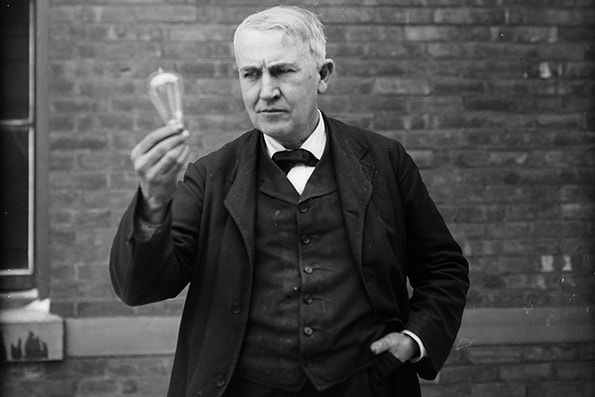
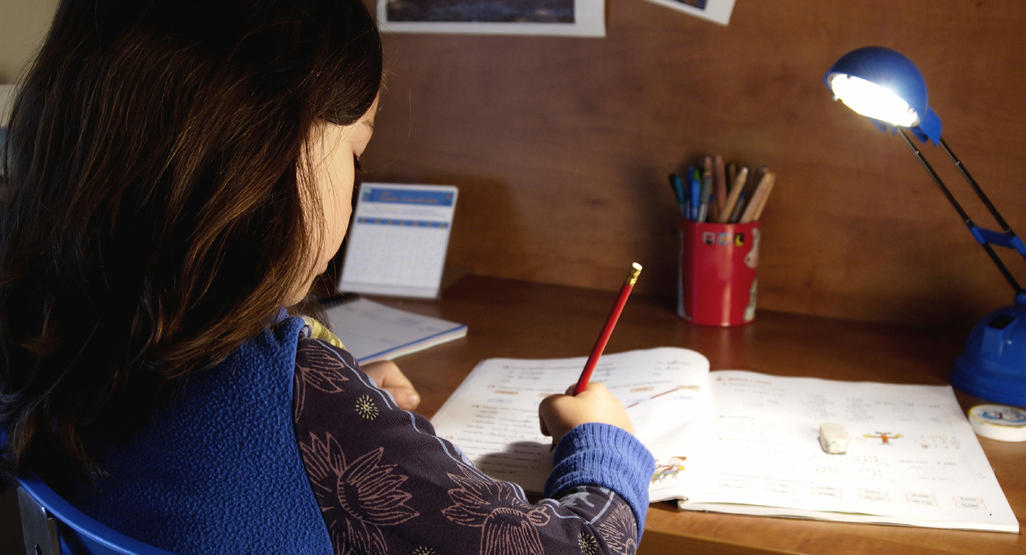 Beginning in the early 1800s nighttime outdoor activity was encouraged by gas streetlights. And by the late 1800’s indoor gas and electric lighting enabled us to remain active indoors after dark. Evenings of socializing with family and neighbors became possible. Manufacturers began scheduling workers for shift work and children could do schoolwork.
 Unfortunately, most adults are not naturally wired to sleep straight through for seven or eight hours. Some can manage the skill (though very few in the over-40 crowd). The rest of us tend to wake up in the night. Now that biphasic sleep is history, we often label our 2am awakenings, “insomnia,” and view them as an abnormal condition to struggle against. Ekirch interprets it much differently:
 We could certainly try to recreate natural biphasic sleep by going to bed a couple of hours earlier. That strategy would allow us time for the between-segments wakefulness. It might work, though most of us are simply not willing to sacrifice evening activities in order to hit the sack at 8 o’clock. But understanding why we awake in the middle of the night is a step toward better sleep. As interpreted by a lesson one of Ekirch’s grateful readers shares with us:
 Ironically, acceptance of night wakefulness was her first step to getting back to sleep more easily. Do give it a try. And do erase the word, “insomnia,” from your vocabulary. “Wakefulness” has a much gentler and more soothing ring. Turn on the light, have a snack and relax in the knowledge that, awake or in the deepest sleep, you are far safer and more comfortable than your ancestors.
 We know that almost all modern mattresses are superior to those of the past, but everyone has a different idea about what is most comfortable – maybe Isabella would have preferred coil construction. There are more options than anyone could try out in a lifetime, but there is a shortcut to finding the right one for you.
 Google Rating
5.0
Based on 403 reviews

Our Sleep Guide Online Mattress Showroom Houston
5.0

Erik Kleinschmidt
1721835465
Niko and the OSG team took incredible care of us! We were searching a place to try out all of the mattresses that are only available online and this was the perfect solution. Can’t recommend this team enough if you want a five star experience!

Morgan Beasley
1721154666
Chase, was great! Bought a mattress here before decided to return it because it was too soft, came in convinced I was gonna get an Avocado but helped my decided on a Helix mattress. Excited to try it out!

Kestra Derise
1720991433
Niko was great. I went when no one was there but I didn't feel pressured to buy. Niko was knowledgeable and straightforward.

Julia Perry
1720297263
Tia was super helpful and patient with us! She let us spend as much time as we needed and answered all of our questions. We are excited about our new mattress!

Katy Murdza
1720213577
This was the only place we found where we could fully test some of the online mattresses we were interested in. Niko was extremely helpful and friendly when we came in not knowing much about mattresses. We didn't feel pressured even though we took a long time trying all the mattresses and weren't ready to make a decision that day. We ended up calling back to buy one a couple weeks later.

Milby James
1720199326
Niko and his crew rock! I've been looking for a mattress online for a year but couldn't make myself pull the trigger. I was so excited to find Our Sleep Guide to test the mattresses I've been reading reviews about for so long. If I had bought my top choice online, I would have made a HUGE mistake. I found the perfect mattress and am so happy. Job well done!

Rebecca Ozuna
1719936363
Chase did an excellent job in explaining the pros and cons of the various mattresses and was very accommodating and knowledgeable. Excellent place if you want to try out online mattresses before you buy!

Linh Lovegren
1719779212
I had a great experience with OSG. They have a great selection of mattresses to try out. Tia was very helpful throughout the process and provided great customer service. We had an issue with a mattress that we purchased (not because of OSG, but due to the brand) and Tia quickly rectified the situation. They really stand behind their warranty and customer satisfaction is guaranteed. Thank you!

Monicole Brown
1719531927
Jennifer was our show room guide and she was extreme knowledgeable and honest. She also made the shopping experience a breeze, not to mention fun. I appreciate her listening to what we needed and giving every possible option. Thanks Jennifer!

Chau Lam
1719517627
The showroom was cool and clean. Chase was accomodating and friendly. He was really patience with us choosing the right mattress.His recommendations was easy to understand and not pushy at all. We would highly recommend anyone to come try and purchase.

Amber Morgan
1719079373
Great place to try and buy an mattress. Niko was very helpful in helping to pick the best one.

Angie Copley
1718987057
Had a great experience. Jennifer was very helpful and knew what I needed based on a few simple questions. I recommend going here.

Sadhana Sundar
1718927272
Great selection beds! Jennifer was very helpful and listened to our needs in our mattress . Helped us find our next perfect mattress :)


Liz
1718906390
Great selection of mattresses available at their showroom and they offer a discount if you waive the trail period.

Louise Balli
1718473137
Highly recommend, Niko Blair was our sales person. Had a great experience and great customer service. Plus they have a wide variety of brands and accessories.

Heidi Chang
1718037220
I walked into this fantastic store and was immediately greeted by two nice gentlemen, Niko and Chase. I'm the type of person who takes a long time to make decisions, and Niko showed utmost professionalism, explaining everything perfectly. I ended up getting a Helix Moonlight mattress. Niko not only helped me find one that fit my budget but also helped me get my perfect dream mattress. Chase also assisted with his personal bedding experience. This store is just beyond wonderful. Highly recommend!!!


Joan Gelfond
1717032943
We experienced tornado damage in Cypress recently. With a long list of “to do” items I was overwhelmed by shopping for mattresses. Then I ran across Our Sleep Guide online and discovered they had a warehouse off Hwy 290. I don’t know which was best a room full of various mattresses to try or our salesperson Niko Blair. We had a great experience and Niko was super. Go visit him if you’re considering a new mattress.

Ellie Reynolds
1716941577
Great experience! Niko was super helpful and knowledgeable about the mattresses in store and offered great discounts, and Chase made the buying process seamless. Highly recommend.


Mike Pavlak
1716752563
We were looking at the huge selection of online mattress companies and got very confused between all of the different brands and models. Which one would be right for us? How firm is firm? Do we really want to spend a couple grand on a 10-year purchase without trying it? Our Sleep Guide solved the problem in a great way! Their showroom has a ton of models from all the big online sellers and Niko, our salesperson, was super knowledgeable about all of them. No pressure, no negotiations, just friendly customer service and a chance to try out the mattresses for as long as we cared to. As a bonus, they have a little extra discount over the website prices and make the ordering process quick and easy. The whole thing was so convenient we upsold ourselves on a nicer model. Great concept, great execution. Very pleased we visited their showroom.

Anthony
1716489426
Highly recommend. Customer service was great. They were able to answer my specific questions and helped me find the matress my ideal mattress. Was able to test out all of the mattresses I was looking for, and was able to take my purchase home and install immediately.

Christine 63
1716486590
Jennifer was so kind, welcoming and helpful. Not pushy at all and very informative. Thanks!

Jinal Patel
1716419157
Great experience shopping for a mattress! Tia was very helpful in helping us find the right one.

Maria Allan
1716405724
So glad I found this showroom! I had narrowed down my options online but was hesitant to purchase without even sitting on the mattress. Tia was friendly, knowledgeable and helpful. To make things even better, I was able to get some additional discounts and bonuses not available online. Overall great experience!

Raghav Viswanathan
1716150349
Our Sleep Guide Mattress showroom is such a novel idea in a world of hundreds of online mattress options that you have to buy before you try . This showroom gave us the opportunity to try out mattresses that we had seen online and is one of the very few places you can try out the mattresses in store .Niko at the store was beyond helpful - he was knowledgeable, understanding and took the time to help us find what we needed !

Andrew P
1715456861
Niko and Chase are great and managed to give me a shortlist of online mattresses to try that would suit my needs and were quick to answer any questions after I had left and called back. Had a mattress and frame ordered and delivered within a week. Awesome guys.


Emma Keith
1715107074
Jennifer and Justin gave us such a wonderful experience! Definitely recommend going here to look for mattresses because they will give you all the options and help you try it all out!

Katie Breihan
1714940640
Great service. No nonsense. Straight forward experience and leaving with a great mattress!

Brittany Johnson
1714849530
I had a wonderful experience shopping for a mattress at this store. I was trying to decide between a couple mattresses and Niko was extremely helpful each time I visited the store. He was incredibly knowledgeable not only about the mattresses I asked about in store, but other mattresses that were not in store. He was also very patient with me during my multiple visits and endless questions. If you are in the market for a new mattress and don’t know where to start, I highly recommend paying a visit to Our Sleep Guide and chatting with Niko!

Shannon Lavine
1714841057
Wonderful experience. Tia was very helpful and knowledgeable. We went into the store with a few ideas. She made a great recommendation on the bed we ended up choosing. The process was easy and seemless. The store was clean and peaceful. We are so excited about our new bed.

Charlie Ponitz
1714751745
Excellent concept. Even better service. Jennifer is amazing and was super helpful!

Vladimir Guandique
1714589361
After feeling overwhelmed with so many online options for box mattresses I was overjoyed to find there was a local showroom where I could try the mattresses firsthand. I arrived minutes before closing and Chase was more than willing to assist in narrowing down what options were best for what I was looking for. It was so great trying so many brands I had only read about but had no idea how different they all were. I couldn’t make up my mind so after mulling it over I returned on a later day and they took care of me the whole way through! I highly recommend this showroom if you are uncertain on what online mattress you want and want to compare!

Emily Sheehy
1714541875
What a fantastic mattress buying experience I had with Our Sleep Guide! Like many other reviews have mentioned, what sets OSG part from other mattress stores are 1) the wide selection of online only mattresses on display to be able to test and 2) the no pressure environment. I first discovered OSG when doing online research about Helix mattresses. I read several of their reviews and comparisons which were extremely detailed and helpful. I then happened to discover that they have a store front in Houston, where I just moved to! I am from New England and there were absolutely no places to try out the Helix mattresses. How serendipitous that I was able to test and purchase a Helix mattress from the company that got me interested from their reviews! I popped in on a Sunday afternoon and met Niko who was so kind, knowledgeable, and honest. I felt like I was having a casual conversation with a friend about mattresses and felt no pressure to commit to a purchase. However, actually testing the Helix luxe mattress had me immediately sold. Niko was also able to get me an excellent price. I couldn’t be happier with the experience! I would 100% recommend using the OSG website to research/compare mattresses (especially online only ones) and visiting the store front to test them out - you won’t be disappointed. It’s well worth the drive to Houston or Austin even if you’re a little further away. The customer service blows other *unnamed* mattress stores out of the water. Thanks again to Niko and OSG!

Courtney Dawn
1714160992
Niko was very helpful and patient, was able to answer all of our questions, and is a delight to work with. And he was able to offer an excellent discount for the mattress we wanted. Trying out the online mattresses was so helpful in being confident we made a choice that was right for us. You will be glad you worked with this company!

Laura Mason
1713210165
I was thrilled to find the store that had the online mattresses I had been resesarching. I couldn't pull the trigger without actually testing it out. They had a great selection of many that were well rated online. I could not find a hybrid model to test when I was calling around, but they had it!I ended up getting a better mattress at a better price than the one I thought I was going to get thanks to the fantastic customer service of Niko. Thank you!

Taylor Tokarz
1713129225
Jennifer was extremely helpful, knowledge, and warm; we quickly found (and bought) a mattress we love!

Mynor Ivan Arana
1713049681
Fantastic store and fantastic staff. Online manufacturers like nectar and others are hard to commit to without being able to try the mattress out. Glad I found this place with an assortment of online brands and I got to try all of them out and take one home the same day without waiting for shipping. I was glad I got to see all the major online brands side by side and confirm their product. They even beat the online discounted pricing!!!! 10/10.


Julio Murillo
1713044285
Great place to purchase a mattress i love that they have a showroom and are able to test out the mattress. Nico was amazing.

Diana Rivas
1713044040
Visited this mattress store today and was blown away with prices and Nico’s expertise. Thank you so much I’m very satisfied with my purchase.

Joanne Gonzalez
1712852285
Helpful showroom manager. Discount was greater than if I ordered myself online. Nice to try the beds in person.

Jonathan Klinvex
1712520755
I worked with Tia and she was incredibly helpful. This is a great spot to test out all the internet, mattress-in-a-box brands. Definitely recommend coming here instead of doing hours of internet research.

Steven
1712187442
Came in for a Helix mattress and Tia was very helpful and knowledgeable about getting us our mattress that best suited my wife and IHighly recommend checking them out for mattress needs

Taryn Lachter
1712099760
I hate mattress shopping - I don’t know who likes it. And the whole idea of buying a giant king bed online without trying it freaks me out. But this store has literally all of them, all the popular ones that are super highly rated and we actually got to try them! Jennifer was super helpful and understood what we needed and directed us to THE most comfy bed either of us have ever slept on. Easy sales experience, super nice bed, clean store. Least painful mattress buying experience of my life!

Brandon Law
1712082560
A must visit on your next buying adventure! I always wondered, what if I could try all those beds in a box that I get targeted ads for. Well, now you can!Jennifer was great and very patient as we tried each and every one. Much better deals than purchasing direct!

Chris Sowa
1711302886
I recently visited Our Sleep Guide Austin and had the pleasure of being assisted by Jennifer. Her knowledge and expertise made my shopping experience exceptional. She took the time to understand my needs and preferences, ultimately helping me find the perfect bed. Her friendly demeanor and professionalism truly stood out. I highly recommend stopping in to find the perfect bed!

Ant
1711219462
Great experience! Niko Blair did an amazing job showing us all 6 mattresses on our hit list and even brought out a mattress from the back for us to try as well. Will definitely return for future needs.


Jay
1710185285
I love this place wanted to get mattress that most places don't cary cuz they have it online and I got try it out it felt good so I made the purchase!!! Ready to get my bed just waiting on the delivery!!!Everything was very easy to get ordered!!! Big thanks to Niko for helping me through the process!!!

Stacy Johnson
1709418846
Jen was awesome and so informative. Didn’t feel like a typical mattress store. So excited for our new bed! Thank yall!!!


Kurt Nelson
1708970432
Update: Our Helix Sunset Luxe arrived 2/24 on time and with no damage. In fact, the driver helped me bring the mattress into the house. We picked up the adjustable bed frame. The frame (though heavy) was easy to put together and get set up. We put the mattress on the frame, unrolled the plastic wrap and allowed the mattress to breathe and fully expand. A few hours later, we put on the bedding and tried everything out. The setup is super comfortable and a dramatic improvement over our old mattress. A great all around experience.Original review: What a great concept of a store that more people need to know about. This shop displays and sells mattresses made by the online retailers like Helix, Avocado, etc. But, you don’t need buy blindly online and do the 100 night trial because the mattresses are there to see and try out. Very convenient and smart. When ordering, the mattresses come directly from the online retailer just as if you ordered online. Our Sleep Guide gives the same (and sometimes better) pricing of the online retailer. However, the best part of the process is Justin, Jennifer and Tia. Very professional, superb product knowledge and not pushy at all. In fact, with Jennifer’s guidance, we avoided making the wrong purchase for my son’s mattress. I have no affiliation with this company. Just a 100% satisfied customer.

Trudy Richards
1708378030
A great place to try out so many online mattress options before purchase! Plus Tia was helpful without being overbearing. Highly recommended!

Alana Phillips Fry
1708369967
Stopped in today to try out a few mattresses. The showroom had several brands and selections. Tia was so kind and helped us narrow down our decision. I highly recommend this location.

River Phillips
1708368472
Tia and Justin were wonderful representatives to help us decide on the perfect mattress. Would highly recommend for anyone interested in popular online mattress brands!

Alyssa Borowy
1708363473
Great customer service, store is nice and clean. My husband and I had a great experience and love our mattress!


Jeff Gordon
1708291242
Tia was very helpful and knowledgeable without being pushy. Great experience. Highly recommend.

Jennifer Allen
1708196046
Have had such a great experience here with Jennifer. I came in looking for a different mattress and she helped me find a better mattress!

Javier Longoria
1708110219
They have a good selection of online mattresses to try, Niko was great, answered all my questions about the differences between the brands/materials used.

Rory Callahan
1707684537
We came in here to find our mattress and had a very pleasant time. Jennifer answered all of our questions and was incredibly helpful, kind, and patient. She’s great!

Phoebe Belser
1707680431
Niko was the best & so helpful! We got the helix midnight luxe for several hundred dollars cheaper than it would’ve been on the helix website & we were able to bring it home with us. Would definitely recommend.

E H
1707522419
This place is awesome. Jennifer was so helpful and we walked away with exactly what we needed. Trying it out before buying saved us a huge headache. The mattresses are very different from what you read about them online! So go wear your pj's in and take a test nap!!

Ruta Venclauskas
1707078669
Extremely friendly, knowledgeable and helpful to my elderly parents. Took lots of time with them and gave them space to discuss.

Clifford LeJeune
1707074987
We went into the showroom with my brother and sister-in-law when we met Niko. He was chill and didn't push products, which is so nice when purchasing a long-term product. He was knowledgeable about the mattresses, bases, mattress pads, pillows, and sheets. I was able to verify his talking point with research that my brother had completed as well as my knowledge from being a former product trainer at Bed, Bath & Beyond in college.The prices were reasonable and offered better prices on some brands if you waived the 100-night product guarantee.If you're in the market for a great night's rest, shop local and check this place out!

Torriel Caballero
1706974045
I recently purchased a king-size mattress from “Our Sleep Guide” mattress store and the experience exceeded my expectations. What sets this store apart is its unique approach—displaying mattresses exclusively available online, allowing us to thoroughly research and choose the perfect mattress at our own pace. The staff was incredibly knowledgeable and accommodating, offering valuable insights without any sales pressure. The variety and quality of mattresses showcased provided us with a wide range of options to suit our preferences. The purchasing process was seamless, and the delivery was prompt. Overall, our experience with this mattress store was exceptional, and we are now enjoying restful nights on our comfortable and carefully chosen mattress. Highly recommend this store for a hassle-free and personalized mattress shopping experience!

Collin Conrad
1706908166
Had a great experience with the store! Very helpful and walked away confident we got the best mattress for us. Niko and Chase were very knowledgable and kind.

Xiaolian Bi
1706667019
We shopped at the store last week - they carry many online only mattresses that have very good reviews, so it's great to have a physical store where you can try out those mattresses. Jennifer was very helpful and knowledgeable. We definitely recommend the store. Oh, i should also mention that the store gives additional discount, which is nice!


T Stevenson
1706563540
Tia and Jen were very helpful, informative, and patient as I bounced back and forth in the decision to move forward with my mattress purchase. They helped me narrow it down tremendously and I’ve had a great experience thus far!

john campbell
1706561693
We had an outstanding shopping experience at Our Sleep Guide Mattress Showroom. Tia, the showroom manager, is extremely knowledgeable about each of the lines they sell and really listens to what you are actually looking for. We started the day looking at a Mattress Firm showroom in response to their advertising a big sale and were so put off when it turns out only one mattress line is on sale. The Tempurpedic we looked at was $4100, which is a lot for pensioners to pay! Tia showed us several options that for us were a close match to our Tempurpedic target, and the one we selected was less than HALF the price. It is wonderful to actually try the mattresses you find available only on-line before committing to the purchase. I say awesome concept with extremely helpful folks behind the concept!

Tim B
1706377733
We stopped by to check out the Helix mattresses in person. Niko was super helpful and knowledgeable. We had all of our questions answered and made a purchase in store. The whole process was quick and easy and couldn’t recommend this store more highly (especially relative to other mattress stores in Houston).

Chris Province
1706036911
Great to be able to try all the mattresses you’ve read about online and not have to sort through all the reviews.

Stephane van het Slot
1705743526
I wanted to buy a mattress I found online and I discovered this place where I could test it. They had a large selection and friendly staff. There was a promotional offer on the vendor's website and they went above & beyond to price match! I'm happy about my purchase and look forward to delivery!

Martha Briseno
1705260607
We had an amazing experience with Niko. Very informative throughout the process and no pressure to buy anything. If you’re looking for a knowledgeable person who will have the customers best interest in mind you should check this place out and ask for Niko. This is the best place to test out any online mattresses you were interested in.

Amelia Burke
1705176696
Jennifer helped us pick the perfect mattress! It was the easiest experience, and she gave us the best feedback and advice in finding the perfect fit.

Kandace Vallejo
1705087897
Great experience working with Jennifer today to try out a couple of Avocado mattresses. She was kind and knowledgeable, explained things well, and allowed me to take my time laying on each bed to select the one that is best. My mattress was ordered same day and I can’t wait for better sleep.


Miranda Wilhite
1704578945
Niko was great and a huge help with picking out our new mattress! Definitely recommend 👍🏼

Marian Lee
1704576983
Dropped in to test drive some beds and bought a Helix Midnight mattress, base and pillows. Jennifer was very knowledgeable and provided excellent customer service. Aldo, the showroom had a variety of options to test and choose from. Thank you Jennifer for all of your help.

Laura Daniel
1704567272
Great mattress shopping experience! Very knowledgeable staff who listens to your mattress needs and can cut a great deal! They have a variety of mattresses to try at varying price points. Overall great experience!

Nabil Ali
1704301642
Niko was amazing and gave us the best deal on a Leesa mattress! After having a negative experience at Mattress Firm, our experience at Our Sleep Guide was exponentially better. They had all the top online mattresses in store for you to try plus they offer a greater discount than what the retailer is offering online. It’s a win / win!

Danielle E
1704220693
Jennifer was knowledgeable, friendly, and great to work with. She helped us find the perfect mattress.

Iris Amarante
1703278287
My name is Jessica Amarante and I just came to the showroom in Houston Texas. Chase was very helpful with providing information on the mattresses in the showroom. I was able to lay on the bed and ended up buying a different mattress then what I actually was interested in. The mattress I choose was even better then the one I saw online. I left the store very excited! I can’t wait until my mattress gets delivered! If you need a new mattress please come to Our Sleep Guide…. Chase will definitely help you!

Maria Amarante
1703278008
Chase was amazing! Very educated about the differences of mattresses which made me feel confident about my purchase. Trust me; when buying something you will use everyday you need it to be GREAT, no time for shortcuts when it comes to quality sleep!

Cortni Randazzo
1702845303
This place is amazing! They have all the beds and pillows from all the online stores for you to try. They also have ways for you to save money that you can’t utilize on the websites. And if there is a deal on the website you hey have the same deal in the store. Nico was so incredibly helpful, and made the process so much less stressful. I cannot recommend this place enough. Go here, you won’t regret it!!

Gregory Stewart
1702249971
Great experience! Friendly staff and clean show room. Fantastic recommendations for our comfort level and helpful information about different levels of firmness and brands. Highly recommend if you’re not sure what you really need or want.


Madi Montalbo
1701103222
Came in and Justin helped me around to look at some different mattresses. He had very good insight into the types of mattresses that would be good for whichever sleeping position you prefer. Him and the other people that worked there were friendly and knowledgeable without being pushy, very pleasant experience.

Jennifer McInnis
1700950967
Excellent customer service. Jennifer and the team are very patient and allow plenty of time to try as many mattresses as necessary. Highly recommend.

Beth R.
1700939830
Service was great! They really know the mattresses. They were patient with us as we tried all the beds. Made the process super easy.

Joelle Varner
1700861453
Justin was very helpful with answering all my questions and helped me find the right fit for my needs! Lots of Black Friday discounts as well on my Helix.


Visit or Call Our Sleep Guide Texas Showrooms
Our Texas Showrooms Are Here To Help With All Your Favorite Online Brands! And We Offer Exclusive Coupons To Save More!
Learn More